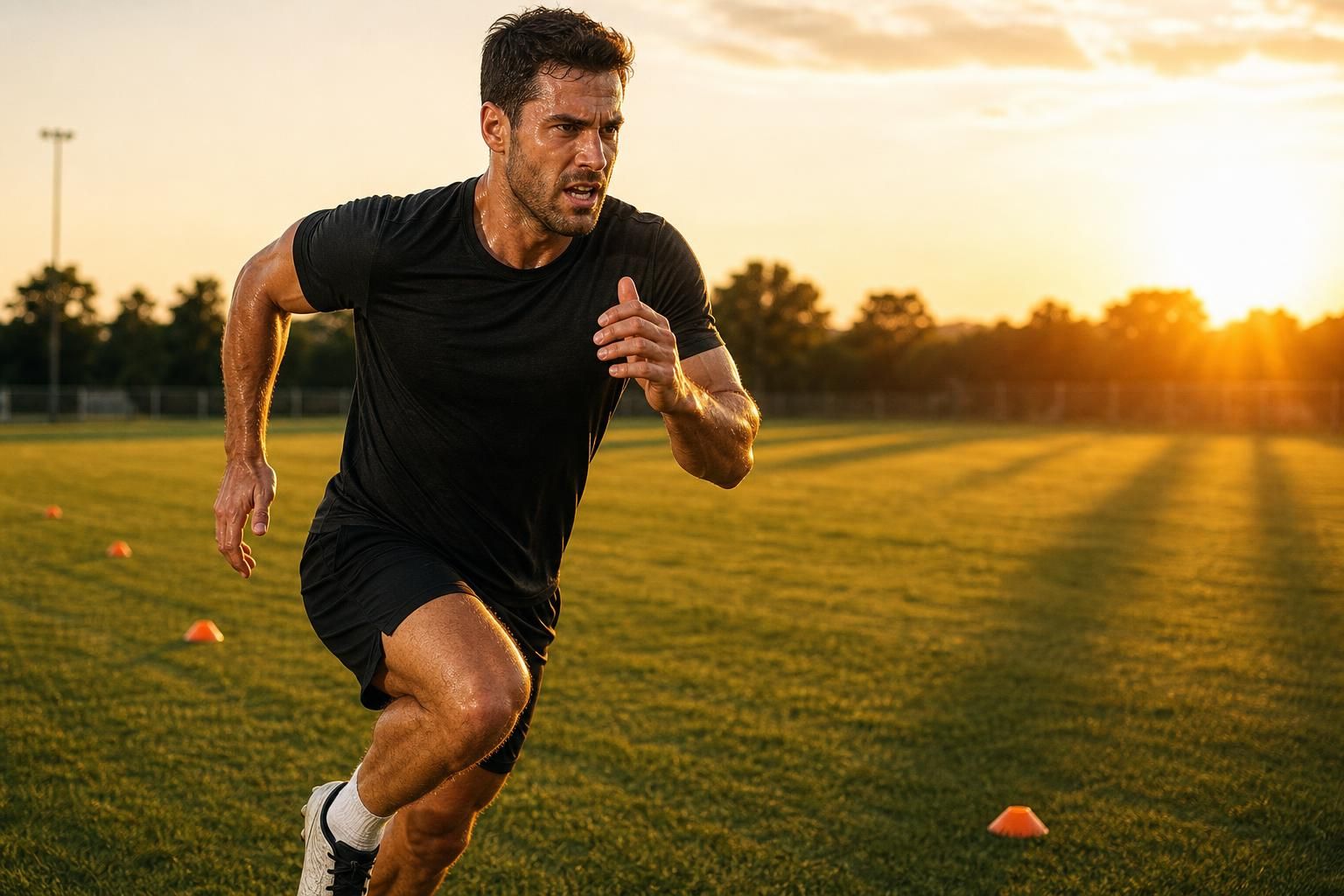
If you’re training hard but still feel tired, moody, or slow to recover, it might not be your workouts, it might be your minerals. Active people burn through magnesium, zinc, potassium, and iron faster than most, thanks to sweat, stress, and higher energy demands. When those four dip, your performance and day‑to‑day wellbeing quietly slide with them.
Magnesium is your “calm and recover” mineral. It helps regulate muscle contraction, nervous system activity, and sleep quality, and plays a role in more than 300 biochemical reactions. Exercise increases magnesium needs, and low levels are linked with reduced endurance and higher oxygen cost during effort. Whole foods that help: dark leafy greens, nuts, seeds, avocados, legumes, and even a square or two of dark chocolate.
Zinc is a quiet hero for immune function, hormone balance, and tissue repair, key for anyone stacking workouts back‑to‑back. It’s abundant in meat, shellfish, dairy, pumpkin seeds, and whole grains. Under‑fuel your zinc and you may notice more colds, slower wound healing, and that “blah” feeling instead of post‑workout buzz.
Potassium is all about fluid balance, nerve signaling, and muscle contraction. Athletes can lose significant amounts of potassium through sweat in longer or hotter sessions. Bananas get the spotlight, but avocados, beans, potatoes, leafy greens, and yogurt quietly deliver big potassium wins.
Iron is the oxygen carrier. When iron runs low, your muscles literally get less oxygen, and fatigue shows up faster and hits harder. Iron deficiency, even without full-blown anemia, impairs muscle function and work capacity. Red meat, poultry, sardines, eggs, and dark leafy greens are solid food sources; pairing plant iron with vitamin C (think spinach + citrus) boosts absorption.
A simple way to start closing the mineral gap is to build them into the meals you already eat:
- Breakfast: spinach and avocado omelet, or yogurt with pumpkin seeds and berries.
- Lunch: big salad with beans, sardines, and leafy greens.
- Dinner: grilled meat or tofu with sweet potato and broccoli.
And where does red light therapy fit? Think of it as a “bonus level” on top of a solid mineral foundation, never instead of it. When nutrition, training, sleep, and smart recovery tools all line up, energy feels less like a mystery and more like something you can actually build.
Close the mineral gap, keep your training fun, and let your food quietly do more of the heavy lifting for your mood, sleep, and performance.
Thanks for Reading!
We hope you enjoyed this article. Interested in enhancing your wellness journey? Check out our Red Light Therapy Products to see how we can support your goals!
Dive in Deeper
- https://www.health.harvard.edu/healthy-aging-and-longevity/the-best-foods-for-vitamins-and-minerals
- https://www.cleaneatingmag.com/clean-living/fitness/7-nutrients-an-athlete-might-be-missing/
- https://www.healthline.com/nutrition/10-foods-high-in-magnesium
- https://www.trainingpeaks.com/coach-blog/5-micronutrient-deficiencies-athletes/
- https://health.clevelandclinic.org/foods-that-are-high-in-magnesium